
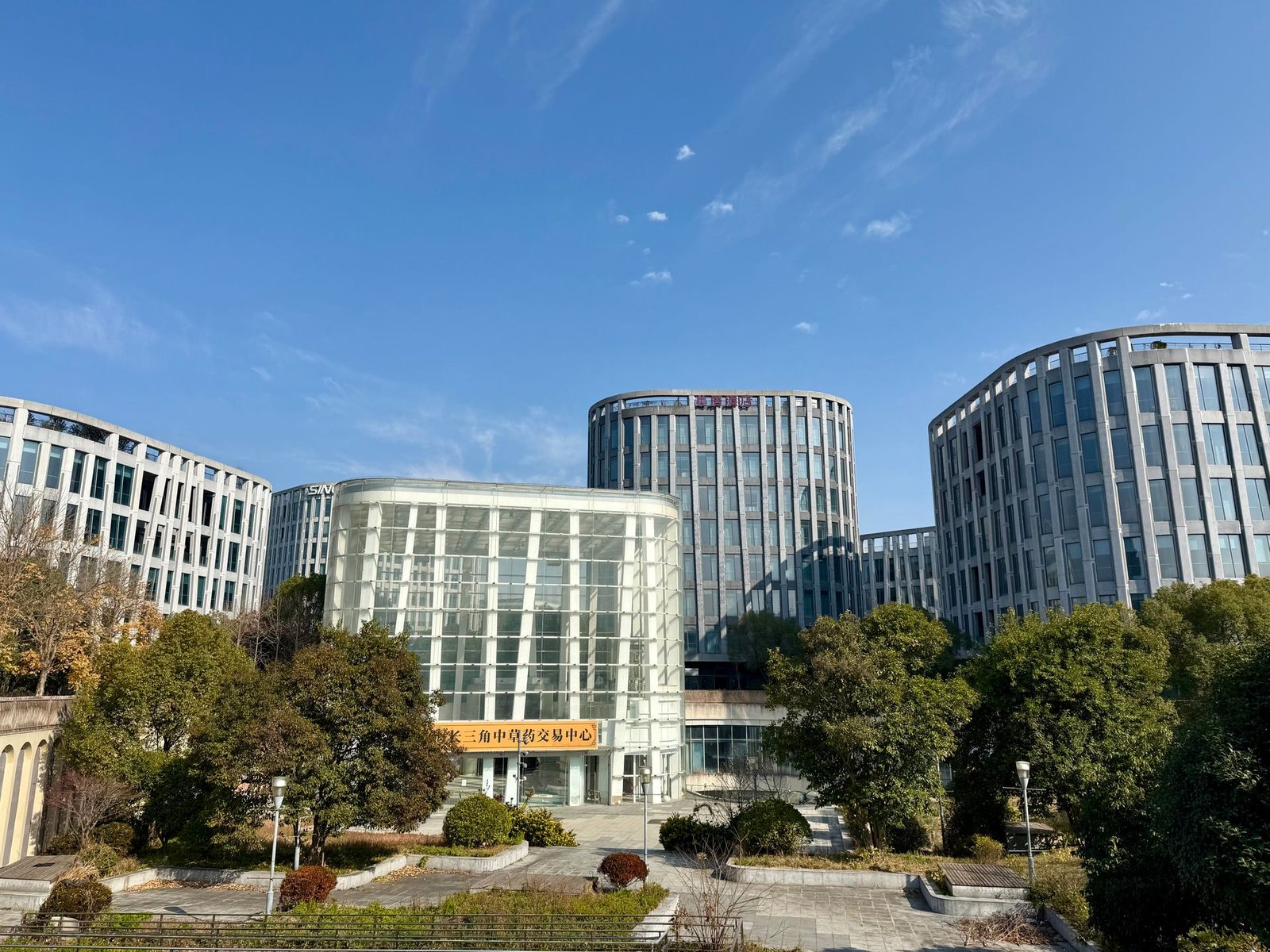
Quick Answer
Dubai Silicon Oasis (DSO) is Dubai’s dedicated technology free zone, run by the Dubai Silicon Oasis Authority (DSOA) and now marketed as part of TECOM Group’s free zone portfolio. A DSO company license costs from AED 12,000 a year, but a realistic total setup budget (license, office, deposit, and one visa) starts around AED 50,000 to 55,000. DSO is a Qualifying Free Zone (QFZ) under the UAE Corporate Tax Law, so a DSO company that meets Qualifying Free Zone Person (QFZP) conditions pays 0% corporate tax on qualifying income and 9% only on income that falls outside the qualifying rules or exceeds the de minimis limit.
Published: 17 September 2026
Dubai Silicon Oasis sits in the Nad Al Hamar area of Dubai and was established under Dubai Law No. 16 of 2005 as a purpose-built technology park, combining offices, light-industrial and warehouse units, a residential community, and an on-campus startup incubation ecosystem. For founders running hardware, R&D, software, or IT-services businesses who want a genuine tech-park address without the higher entry cost of a zone like Dubai Internet City, DSO is one of the more affordable serious options on the market. This guide covers the real 2026 cost tiers, the setup process, and exactly how DSO’s Qualifying Free Zone Person status affects your tax bill.
What Is Dubai Silicon Oasis (DSO)?
DSO is a government-owned free zone authority, DSOA, that licenses and regulates companies operating inside its technology park. It is structured around three broad categories of activity:
- Technology and innovation: software development, IT services, electronics, R&D, and deep-tech startups.
- Light industrial and manufacturing: hardware assembly, prototyping, and small-scale manufacturing using the zone’s warehouse and industrial-land facilities.
- Mixed-use commercial and residential: offices, retail, and residential towers that support the wider community living and working on campus.
DSO does not issue freelance permits. If you need a single-person freelance licence rather than a company, DMCC or TECOM’s Go Freelance programme are the usual alternatives.
DSO License Types and 2026 Cost Tiers
DSO issues three main license types, and the license fee itself is only one part of the real setup cost.
| License type | Typical use case | Starting annual license fee |
|---|---|---|
| Service License | IT services, consultancy, software, R&D | From AED 12,000 |
| Trading License | Import, export, and distribution of tech and general goods | From AED 12,000 (varies by activity count) |
| Industrial License | Light manufacturing, assembly, processing | From AED 12,000, higher once industrial land/warehouse is added |
The license fee alone understates what a new company actually needs to budget. A realistic 2026 first-year setup, including the license, minimum office space, the office security deposit, and one investor or employee visa, runs approximately AED 50,000 to 55,000. Name reservation is a separate, smaller cost, and DSOA holds an approved trade name for 90 days.
What drives the total cost up or down
- Office size: DSO’s minimum shared or flexi-desk office allocation starts at roughly 13.5 square metres, priced at around AED 28,392 per year, plus a refundable deposit of about AED 2,704. Additional space is charged at the same per-unit rate.
- Visa count: DSO ties visa eligibility to office size, allocating one additional visa for roughly every 9 square metres of office space taken beyond the base unit. A single visa, covering the fee, medical test, and Emirates ID, costs approximately AED 8,340.
- Warehouse or industrial land: manufacturing and hardware businesses that need warehouse or industrial plots pay significantly more than a service-only office setup, since land and utility connection costs are added on top of the license fee.
- General Manager visa: DSOA requires the company’s General Manager to hold a DSO residence visa, valid for two years with straightforward renewal.
Always confirm the exact, current fee schedule directly on DSOA’s e-services portal or with a licensed setup consultant before budgeting, since published estimates can shift with DSOA fee updates.
DSO Company Setup Process and Timeline
- Choose your license type and activity: match your core business activity to Service, Trading, or Industrial, since this determines both the fee and the qualifying-income treatment discussed below.
- Reserve your trade name: submit name options to DSOA; an approved name is held for 90 days.
- Submit initial approval and documents: passport copies of shareholders, a business plan for some activities, and the completed application.
- Sign the lease and pay setup fees: choose your office, flexi-desk, warehouse, or industrial plot, and pay the license and office fees together.
- Receive your trade license: DSOA issues the license once documents and payment are confirmed.
- Apply for visas: the General Manager visa is mandatory; additional investor and employee visas follow the office-size allocation.
- Open a corporate bank account: using the trade license, lease agreement, and shareholder documents.
- Register for UAE Corporate Tax and, if applicable, VAT: every DSO company must register for Corporate Tax with the Federal Tax Authority regardless of whether it expects to owe any tax.
Most straightforward service-license applications complete within 1 to 3 weeks once documents are in order. Industrial and warehouse setups take longer because of additional inspections and utility connections.
Ongoing compliance: annual license renewal is mandatory and typically takes about two weeks. DSOA also requires an annual audit report, with the first audit due 18 months after incorporation, and the audited financials feed directly into your Corporate Tax return.
DSO and UAE Corporate Tax: Qualifying Free Zone Person Status
This is the part most DSO founders get wrong, and it is the single biggest factor in whether your company actually pays 0% or 9% corporate tax.
Dubai Silicon Oasis is listed as a Qualifying Free Zone under the UAE Corporate Tax Law (Federal Decree-Law No. 47 of 2022 and the related Cabinet and Ministerial Decisions on Qualifying Free Zone Persons). Being located in a Qualifying Free Zone does not automatically give you 0% tax. Your company must separately qualify as a Qualifying Free Zone Person (QFZP) by meeting all of the following:
- Maintaining adequate substance in the UAE (real staff, assets, and operating expenditure proportionate to your activity).
- Deriving income only from Qualifying Activities, or non-qualifying income that stays under the de minimis threshold.
- Complying with UAE transfer pricing rules under Articles 34 and 55 of the Corporate Tax Law, including keeping transfer pricing documentation.
- Preparing audited financial statements.
- Not having elected to be subject to the standard Corporate Tax regime.
Which DSO-typical activities qualify
- Manufacturing and processing of goods or materials, including manufacturing carried out on behalf of another person, which covers most DSO hardware and light-industrial businesses.
- Qualifying intellectual property income, meaning royalties or income from patents, software, and similar IP assets that your company actually developed, subject to a nexus calculation linking qualifying R&D expenditure to the IP income it produces.
- R&D services, where R&D is genuinely performed or outsourced under the rules, provided the expenditure and income can be tracked and documented per asset or product line.
- Distribution of goods from a Designated Zone to customers, under the specific Designated Zone rules, where applicable.
Which activities disqualify you from 0%
- Transacting with UAE mainland natural persons (individual consumers), outside a short list of excluded regulated activities.
- Banking, insurance, and financing/leasing activities that are regulated in the UAE.
- Owning or operating UAE real estate, other than commercial property transacted with other free zone persons.
- Software distribution or resale activity that is really a trading/retail function rather than genuine IP development, since simply reselling third-party software licenses does not create qualifying IP income.
The de minimis safe harbor and what happens if you lose QFZP status
A small amount of non-qualifying income does not automatically disqualify you. The de minimis rule protects your 0% rate as long as non-qualifying income stays below the lower of 5% of total revenue or AED 5 million in that tax period. Exceed that threshold, or fail any of the core QFZP conditions, and the consequence is severe: your company loses QFZP status for that tax period and the following four tax periods, a minimum five-year disqualification, and pays the standard 9% Corporate Tax rate on all of its income during that time, not just the non-qualifying portion.
| Scenario | Corporate Tax outcome |
|---|---|
| QFZP conditions met, income from Qualifying Activities only | 0% on qualifying income |
| QFZP conditions met, small non-qualifying income under de minimis | 0% preserved, non-qualifying portion taxed at 9% |
| QFZP conditions met, non-qualifying income exceeds de minimis | QFZP status lost, 9% on ALL income for 5 tax periods |
| Company elects standard regime, or fails substance/documentation rules | 9% on taxable income above AED 375,000 |
Compare this against a Dubai mainland company, which pays 9% Corporate Tax on taxable income above AED 375,000 regardless of activity mix, with no qualifying-income test to navigate. Our mainland vs free zone tax comparison breaks down the full decision in more depth.
DSO vs Other UAE Tech-Focused Free Zones
DSO is not the only technology-oriented free zone in the UAE, and the right choice depends on your activity, budget, and whether you need physical manufacturing space.
- DSO: best for hardware, light manufacturing, and R&D-heavy startups that want warehouse or industrial land alongside office space, at a lower entry cost than more premium tech zones.
- DIFC: better suited to fintech, professional services, and companies that specifically want the common-law DIFC courts and financial services licensing, at a materially higher cost. See our DIFC company setup guide.
- DMCC: broader multi-sector zone with strong commodities and trading infrastructure, useful if your tech business also trades physical goods. See our DMCC company setup cost guide.
- IFZA: lower-cost general-purpose free zone popular for holding companies and consultancy licenses without the tech-park infrastructure DSO offers. See our IFZA free zone guide.
Frequently Asked Questions
Is Dubai Silicon Oasis a Qualifying Free Zone for UAE Corporate Tax purposes?
Yes. DSO is designated as a Qualifying Free Zone under the UAE Corporate Tax Law’s Cabinet and Ministerial Decisions. A company located there must still independently meet all Qualifying Free Zone Person conditions to actually receive the 0% rate on its qualifying income.
What is the cheapest DSO license in 2026?
The DSO Service License starts from AED 12,000 a year for the license fee alone. A realistic total first-year setup budget, including office space, deposit, and one visa, is approximately AED 50,000 to 55,000.
Can I get a freelance license in Dubai Silicon Oasis?
No. DSO does not currently issue freelance permits. Founders who need a solo freelance license typically use DMCC or TECOM’s Go Freelance programme instead.
How many visas can I get with a DSO company?
Visa eligibility is tied to office size. DSO allocates one additional visa slot for roughly every 9 square metres of office space beyond your base allocation, on top of the mandatory General Manager visa.
Does a DSO company have to register for UAE Corporate Tax even if it expects to pay 0%?
Yes. Every UAE free zone company, including DSO companies expecting to qualify for the 0% rate, must register with the Federal Tax Authority for Corporate Tax and file an annual return.
What happens if a DSO company loses its Qualifying Free Zone Person status?
It loses the 0% rate for that tax period and the following four tax periods, a minimum five-year disqualification, and pays the standard 9% Corporate Tax on all of its income during that time, not just the disqualifying portion.
Does reselling software count as qualifying income in DSO?
Generally no. Simple resale or distribution of third-party software licenses is treated as trading income rather than qualifying intellectual property income, since the company did not develop the underlying IP. Genuine in-house software development and licensing can qualify, subject to the nexus rules linking R&D spend to IP income.
Is an annual audit mandatory for DSO companies?
Yes. DSOA requires an annual audit report, with the first audit due 18 months after incorporation, and the audited financial statements are also the basis for your Corporate Tax filing.
Can a DSO company own UAE real estate?
Generally, owning or operating UAE real estate falls outside Qualifying Activities and would generate non-qualifying income, except for commercial property transacted with other free zone persons, which is specifically carved out.
How long does it take to set up a company in DSO?
A standard service-license setup typically takes 1 to 3 weeks once documents and payment are in order. Industrial or warehouse setups take longer due to inspections and utility connections.
Final Word
Dubai Silicon Oasis remains one of the more cost-effective ways to get a genuine UAE tech-park address with room to add manufacturing or warehouse space later, but the 0% Corporate Tax rate is never automatic. It depends entirely on your company qualifying as a Qualifying Free Zone Person and keeping your income inside the Qualifying Activities and de minimis rules every single tax period. Getting the activity classification and substance requirements right at setup stage avoids a costly five-year disqualification later.
If you are weighing a UAE free zone company against a mainland setup, our Qualifying Free Zone Person guide and qualifying income breakdown go deeper into the rules that apply across every UAE free zone, not just DSO. If you are also handling visa or PRO matters for the UAE alongside your company setup, Yalah Dubai’s guide to expat family and visa services covers related personal-status matters many relocating founders and their families ask about.
Related reading:
– Qualifying Free Zone Person (QFZP) Corporate Tax Guide
– QFZP Qualifying Income Explained
– Mainland vs Free Zone Tax UAE 2026
– DMCC Company Setup Cost 2026
Talk to Qaspro Global about registering your DSO company for Corporate Tax and confirming your Qualifying Free Zone Person status: WhatsApp us.
Founder & CEO, Qaspro Global — UAE tax expert with 16+ years of experience in VAT, corporate tax and FTA audit support.